
A museum on invisible illnesses and disabilities.
The Lyme Museum is an independent museum with an education hub, a digital platform, a physical collection and an international community. We are the first museum dedicated to exploring the lived experiences of invisible illnesses and disabilities through materiality and storytelling. We collect objects, stories, flat lays and artworks with one aim: making the invisible visible, one flat lay and one story at a time.
We are really, really interested in stuff! The everyday mundane objects that become part of our identity as chronically ill and/or disabled people. Those are not always the objects that museums display, and yet they are the ones that make the invisible visible.
In museums, we call this materiality, but really, it's stuff! And stuff is great! From mobility aids, to pills, to objects of comfort, there is so much to talk about, and that's why we are here. Changing the narrative on disability and chronic illness through objects and first-person narratives.

The Lyme Museum was founded by Dr Angela Stienne
The Lyme Museum is run by Dr Angela Stienne, a museum resercher in museum ethics and an international inclusion leader, based in France. Throughout the years, The Lyme Museum has been supported by individuals who are passionate about making the world a better place. The Lyme Museum is Europe-based, but has collaborated with and trained individuals all over the world. We are proud to be an international project setting new standards for heritage spaces globally.
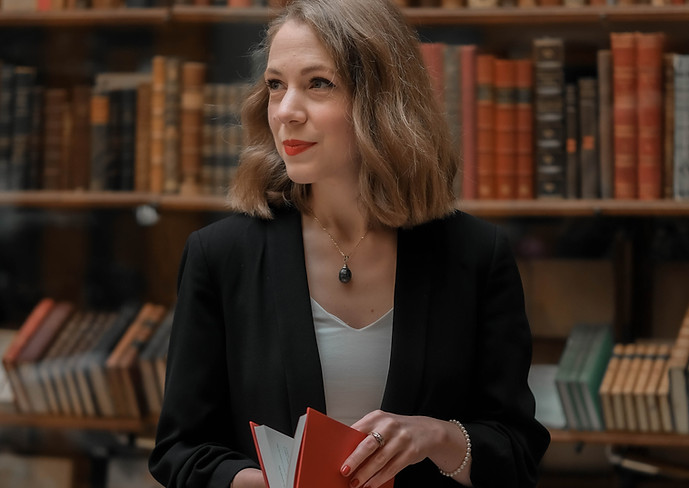
Dr Angela Stienne - Founder & Director She/her
Angela Stienne is a French museum researcher (PhD), published author, and includion leader at the forefront of blending medical humanities, museum studies, activism and creative storytelling. As the founder of The Lyme Museum, she leads efforts to amplify the voices of underrepresented communities, especially those living with invisible illnesses and disabilities. Through the development of new research methodologies, innovative virtual spaces, academic publications and outreach, she advocates for access and inclusion, integrating the social model of disability into every facet of her work. She delivers lectures worldwide on inclusive representation in heritage and education, having been invited by National Trust, University of Leicester, Arts Council England and private companies to run workshops and training programs to help teams foster a more inclusive enviroment. Honored with the 2023 University of Leicester’s Dr. Mark Sims Memorial Award for Public Service, she is a leading figure in critical disability studies and public engagement.
Alumni of the TLM Traineeship
In 2024/2025, The Lyme Museum run an international traineeship, training new researchers in communication, marketing, project management and personalised coaching to foster
the inclusion leaders of tomorrow. Our alumni:

Ilenia Atzori She/her
Ilenia graduated with a PhD from the University of Brighton, researching the perception of cultural heritage among diverse communities. With a focus on inclusivity, she seeks to empower communities to actively participate in decisions regarding their cultural heritage.
Drawing from her personal experience with severe endometriosis, she aims to change the narrative surrounding this total body condition.

Sophia Williams She/her
Sophia as an MA in Medical History and Humanities from the University of York. As a deaf sign language user, Sophia is passionate about increasing the visibility of disabled and marginalized experiences, especially within the humanities and museum settings. At The Lyme Museum, she played a vital role in ensuring that all of our content is accessible and inclusive and she run our social media platform for a full year!

Elliot Wolfgang Falkus He/him
Elliot is a queer disabled heritage practitioner, invested in radical reconciliatory heritage. Elliot is a graduate of the University of Exeter's International Heritage Management and Consultancy MA. At The Lyme Museum, he worked on the rethinking of the online exhibitions and contributed to our in-house resarch hub.

Rebekah Lamb She/they
Rebekah is an indigenous, disabled anthropologist based in the Netherlands. At The Lyme Museum, she helped us fostering a more inclusive environment thinking especially about intersectionality, and she helped us to expand the thinking around our online and in-person exhibitions.

Emilia Sharples She/her
Emilia studied Art History and Digital Heritage at university. At The Lyme Museum, she was an essential part of the day-tp-day running of the museum's operations, working on the website redesign from the inside out. She especially helped create the Education hub as it is now and organised all the flat lays data.

Robyn Timmins She/her
Robyn has an MSc in Conservation Practice at Cardiff University. While training as an object conservator, she also researched inclusivity and disability within museum collections and conservation decision making. At The Lyme Museum, she contributed to the research on the history of everyday objects and the historical and contemporary meanings they may hold.

Giulia Pianelli She/her
Originally from Venice, Italy, Giulia moved to Tāmaki Makaurau Auckland, NZ. Sge hold a Bachelor’s Degree in Arts Management and a Master’s in Marketing and Global Markets. At The Lyme Museum, she worked on the website and social media redesign.

Evangelia Valliou She/her
Evangelia studied Archaeology, History of Art and Museum Exhibition Planning and Design. Based in France, she joined The Lyme Museum traineeship twice, contributing her writing and research skills to our in-house research and education hub.
They trusted us


